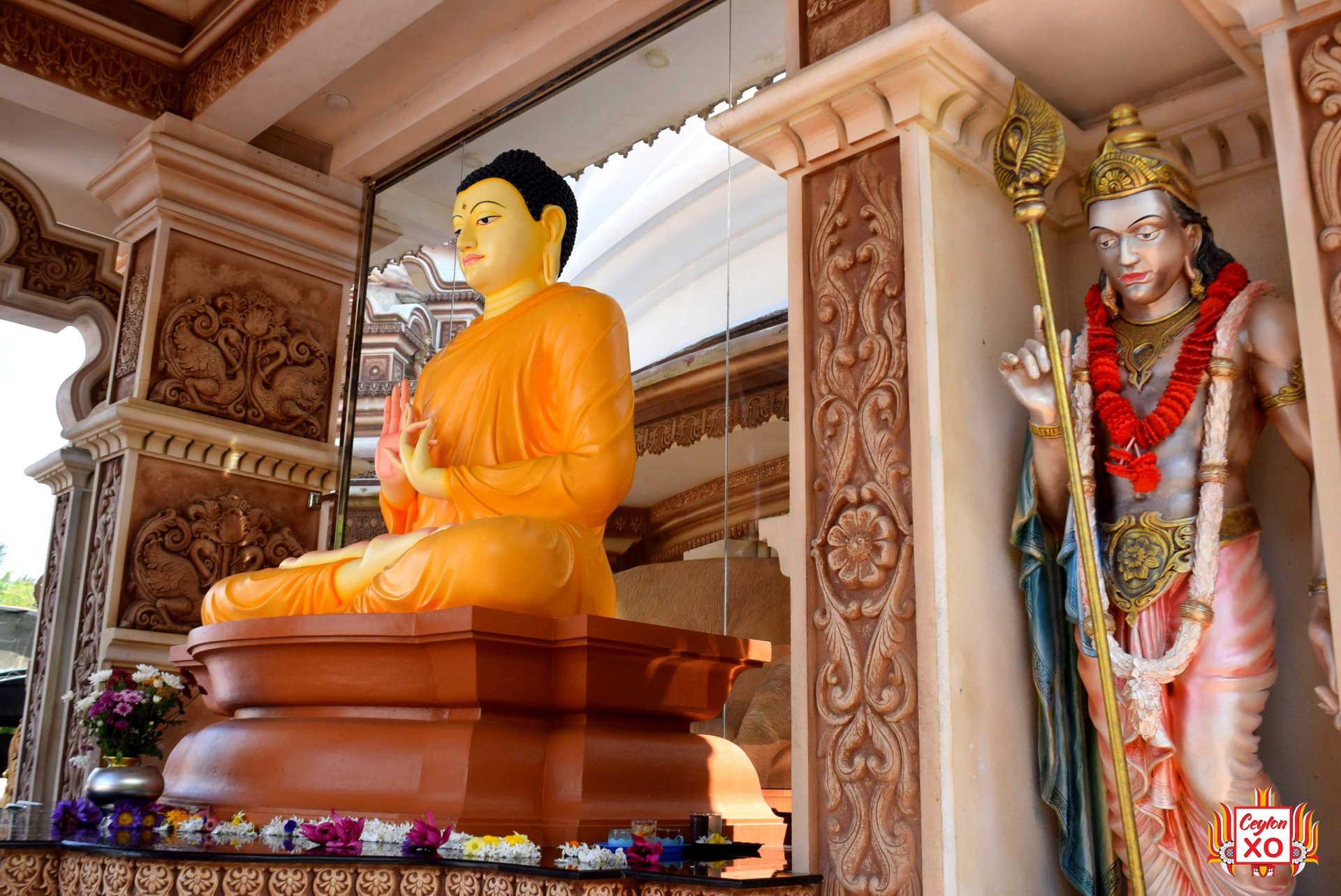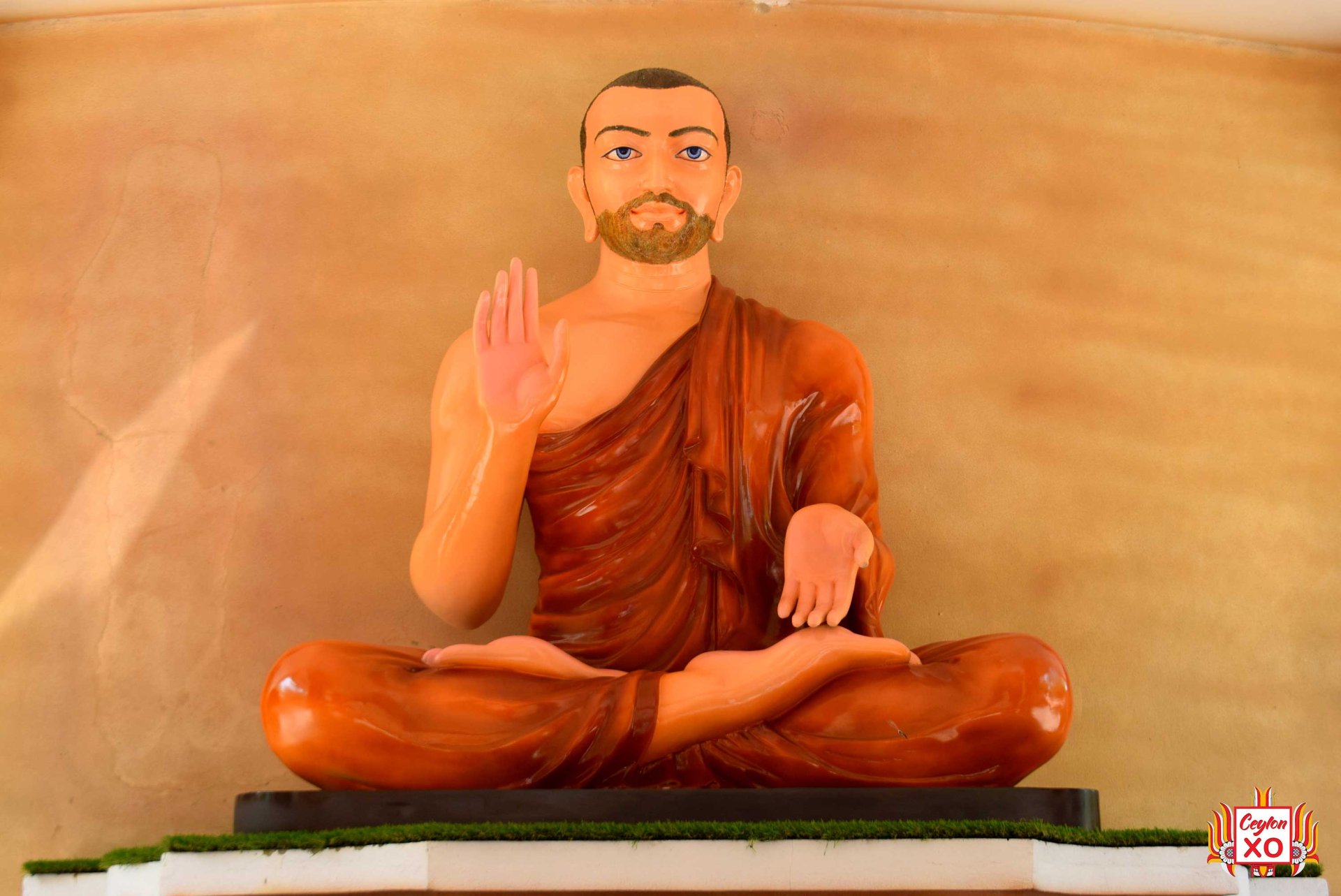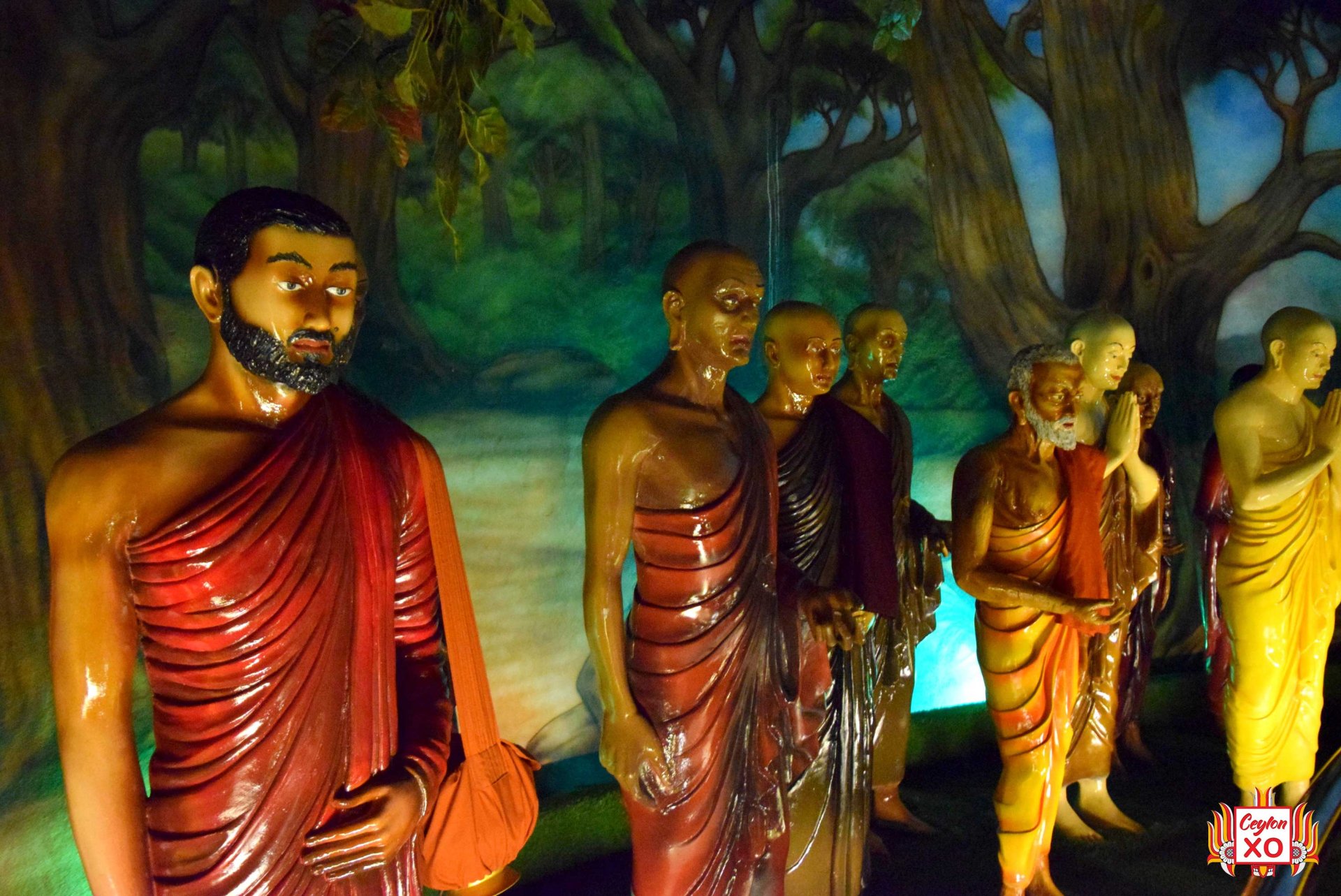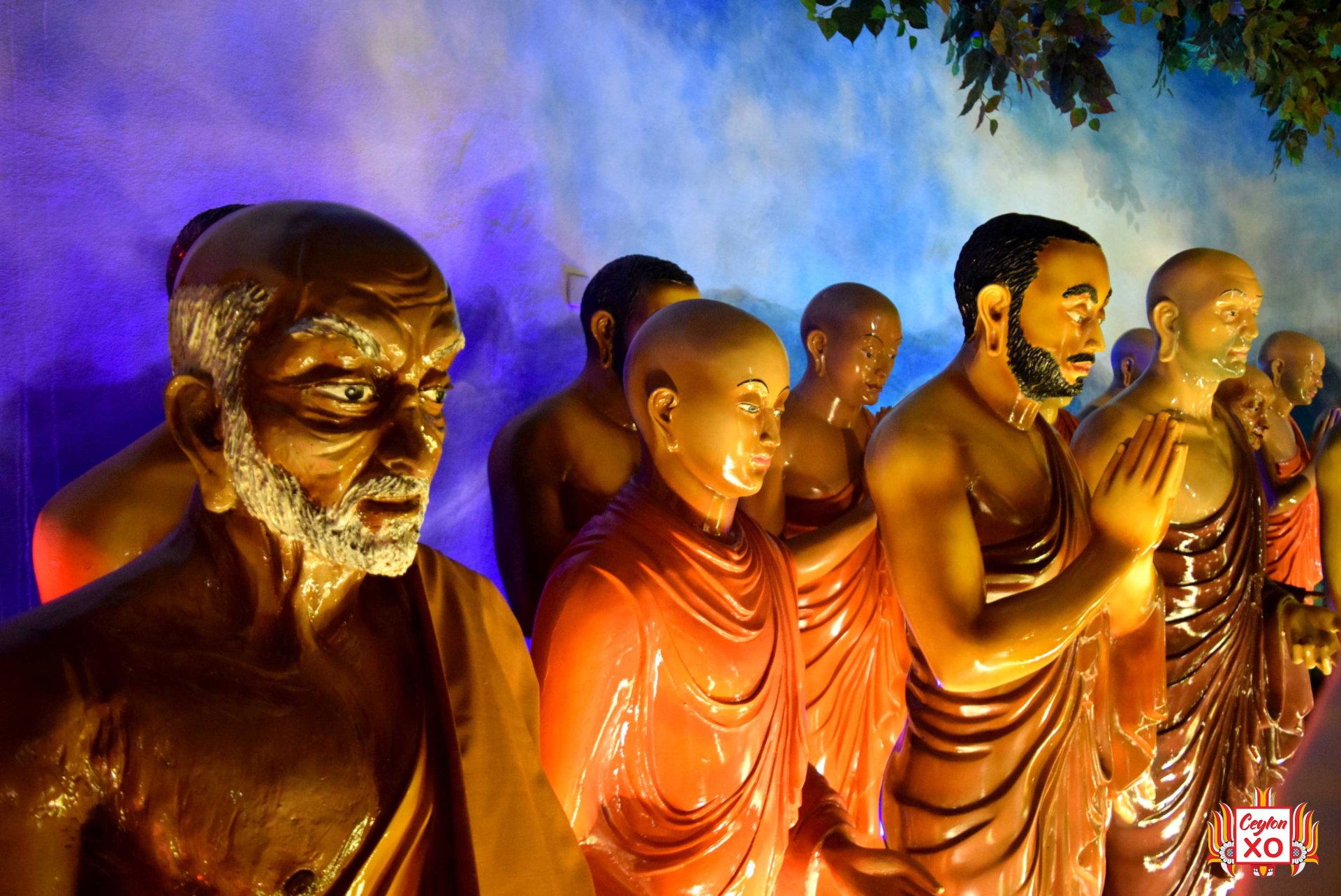
The stupa derives its name from Arahant Bakkula Thero, one of the foremost disciples of the Buddha. According to the Buddhist scriptures, Arahant Bakkula was declared by the Buddha to be the foremost among monks who enjoyed excellent health. Buddhist tradition records that he lived for 160 years without suffering from illness after his ordination. He was highly respected for his purity, strict discipline, simple lifestyle, and unwavering dedication to the practice of the Dhamma. His life continues to inspire Buddhists to cultivate moral virtue, mindfulness, and spiritual discipline.
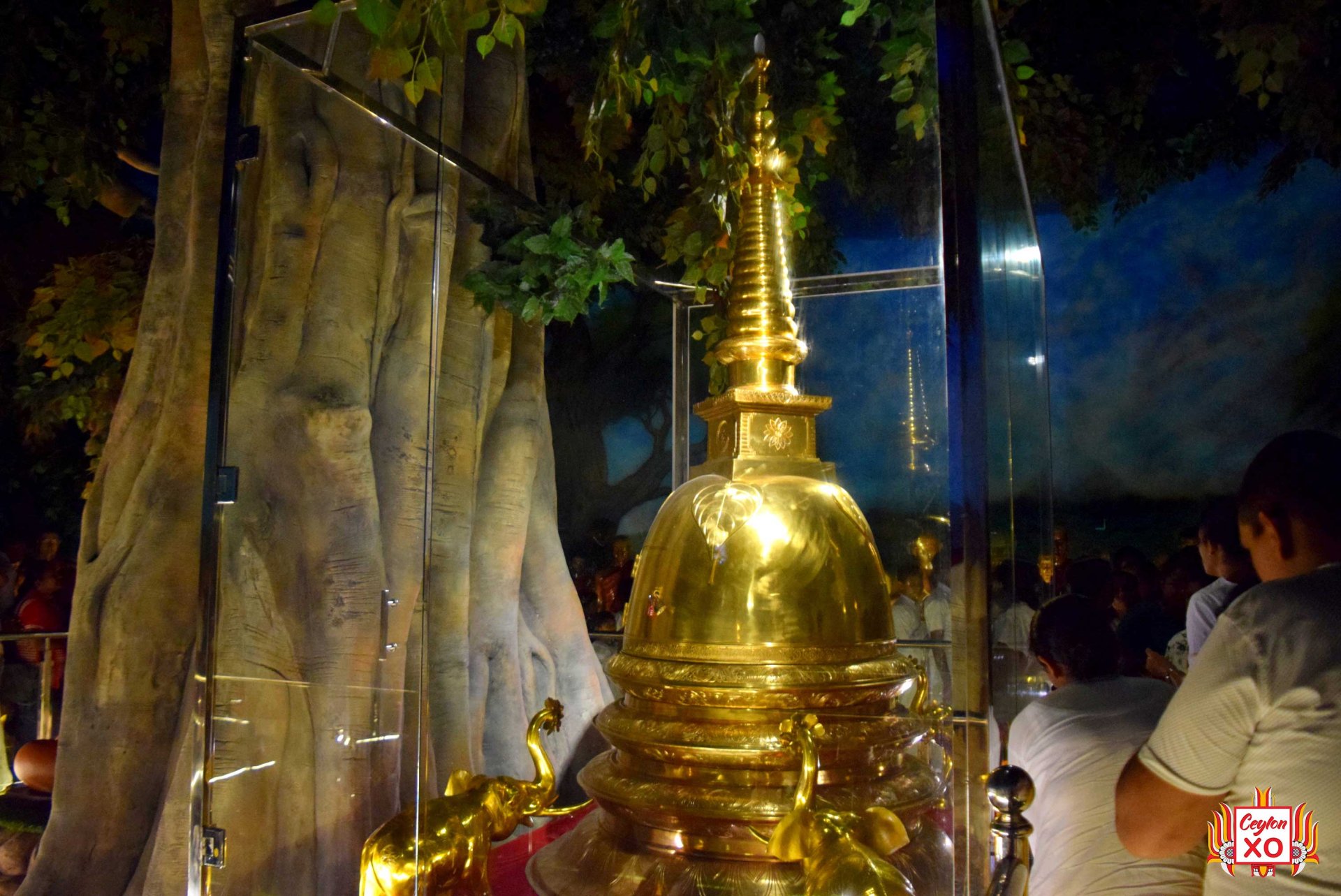
One of the most significant features of Bakkula Maha Stupa is that it enshrines the sacred bodily relics of Arahant Bakkula Thero. The presence of these sacred relics has made the stupa an important place of pilgrimage, attracting thousands of devotees who visit to pay homage and seek blessings. Pilgrims believe that worshipping at the stupa while reflecting upon the noble qualities of Arahant Bakkula Thero inspires good health, inner peace, and spiritual well-being. The enshrinement of these relics greatly enhances the religious significance of the monument.
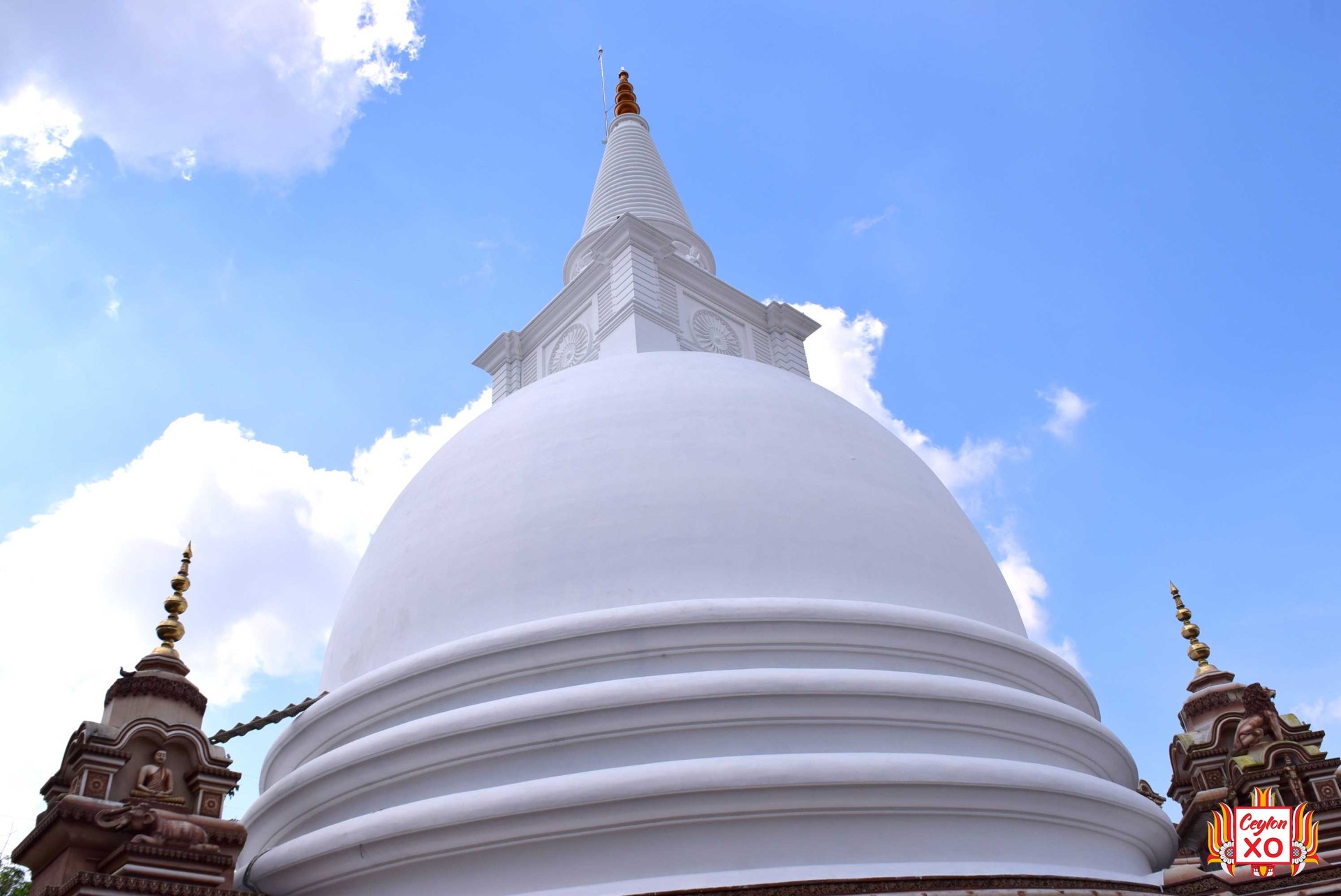
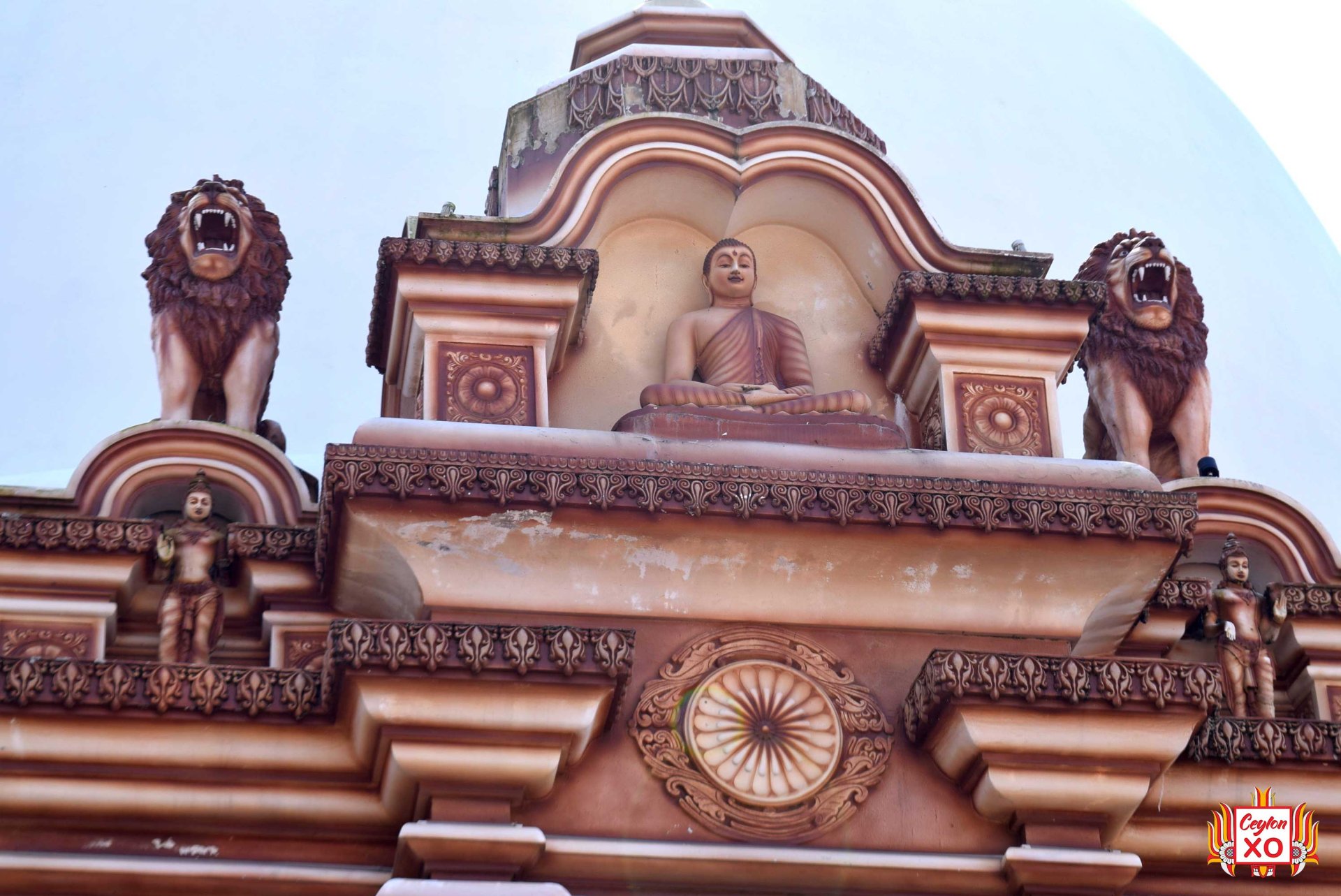
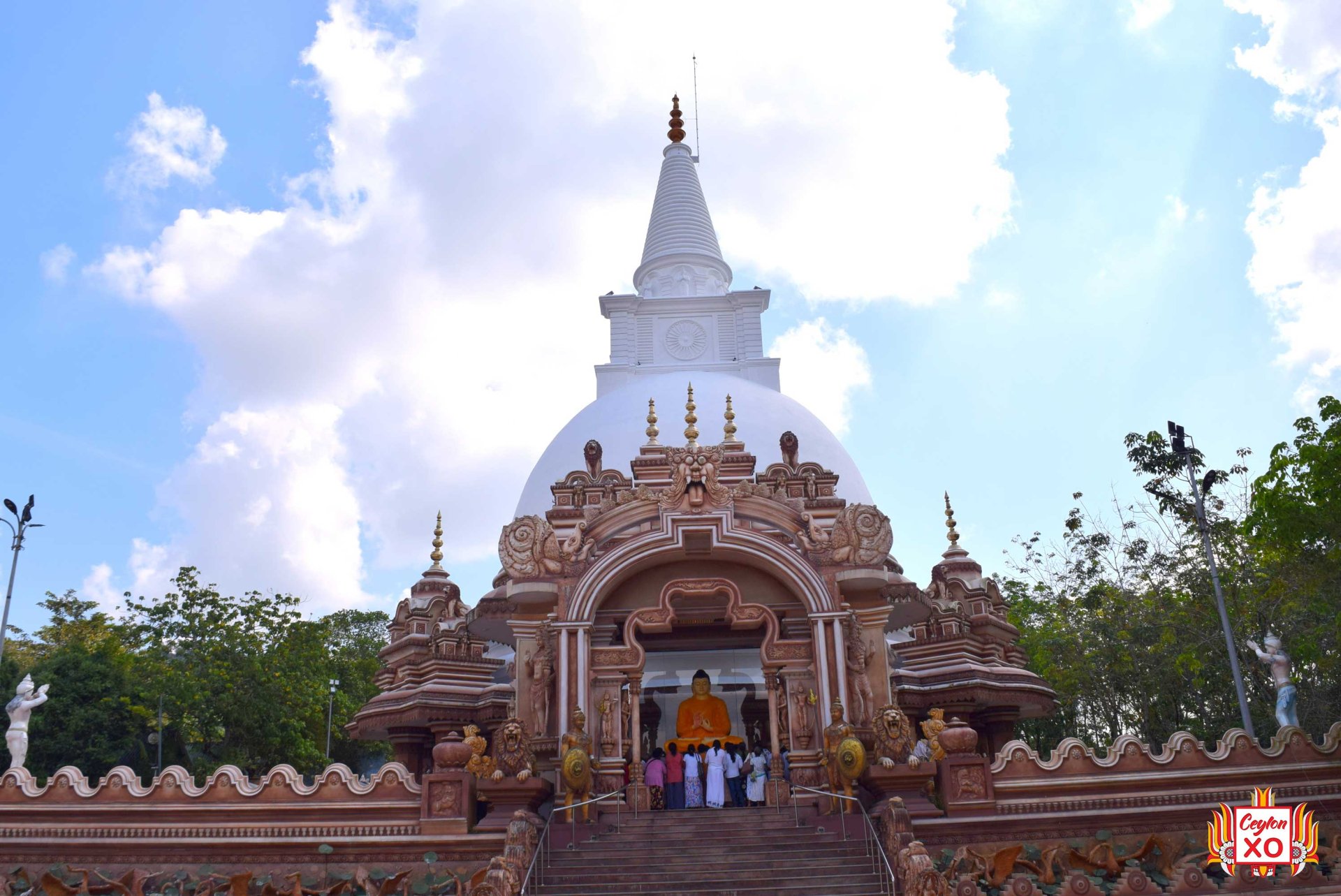
The stupa has been constructed in accordance with the traditional architectural style of Sri Lankan Buddhist stupas. Its graceful white dome, elegant spire, and spacious surrounding courtyard provide an inspiring environment for religious observances and meditation. The peaceful surroundings encourage visitors to spend time in quiet contemplation and spiritual reflection.
Bakkula Maha Stupa serves not only as a place of worship but also as a centre for promoting Buddhist teachings and moral values. Religious programmes, meditation sessions, Dhamma sermons, and Bodhi Pooja ceremonies are conducted throughout the year, especially on Poya days and during major Buddhist festivals such as Vesak and Poson. These activities strengthen the spiritual lives of devotees while preserving Sri Lanka's rich Buddhist traditions.