In the 3rd century BCE, King Devanampiyatissa offered the Mahamevnawa Royal Park to Mahinda Maha Thero and the Buddhist monastic community. It is said that Mahinda Maha Thero then walked throughout the land, identifying the locations where various buildings and facilities should be constructed and marking their boundaries.
During this journey, when he arrived at the place where the Ruwanweli Maha Seya stands today, Mahinda Maha Thero revealed something remarkable. He stated that four Buddhas who had already appeared during this Great Fortunate Aeon had visited this very place, and that a future Buddha would also visit it. He further prophesied that, in the distant future, a grandson of King Devanampiyatissa would become king and build a massive stupa at this very location, enshrining the sacred relics of Gautama Buddha. While making this prophecy, Mahinda Maha Thero also marked the boundaries of the area where the future stupa would be constructed.
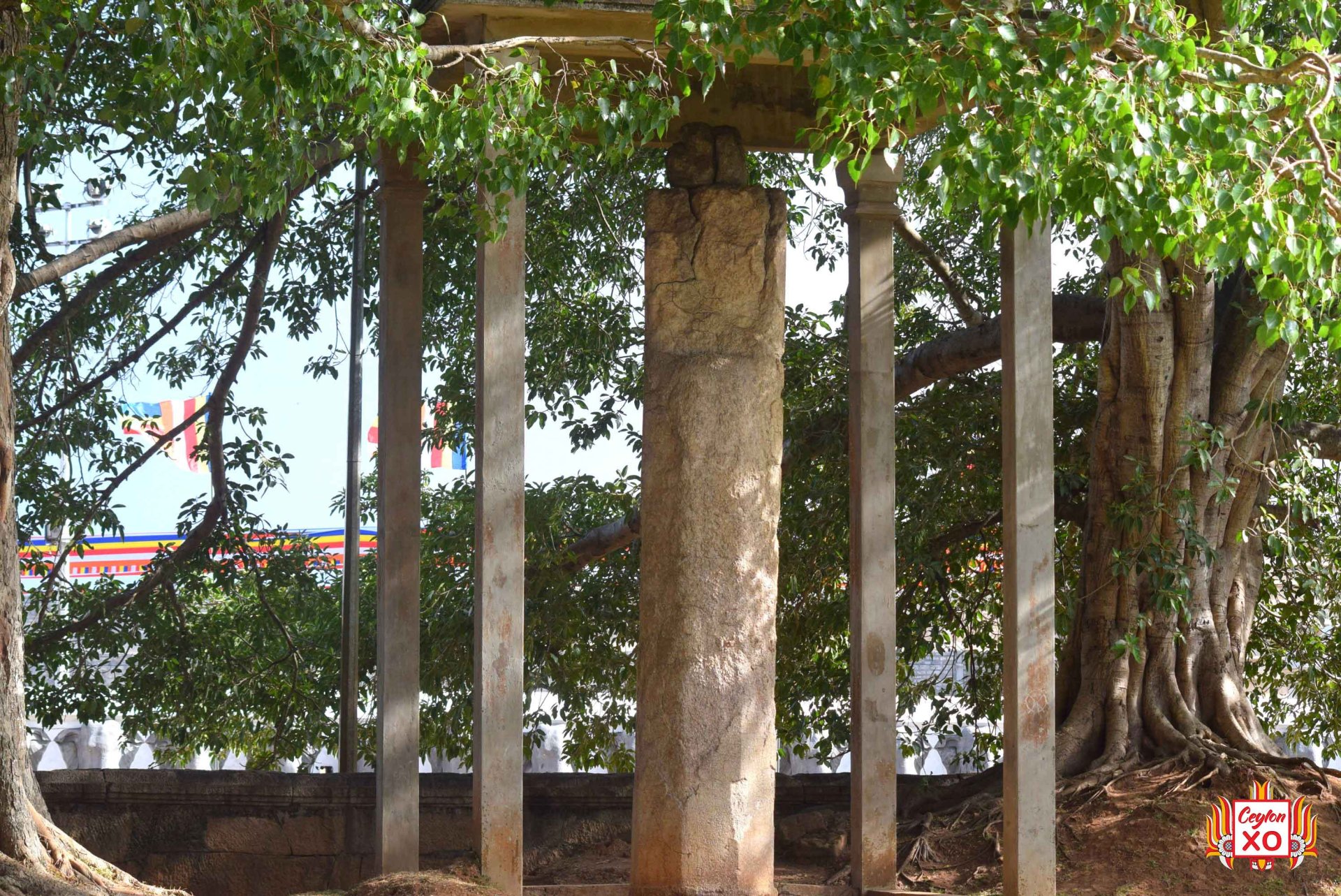
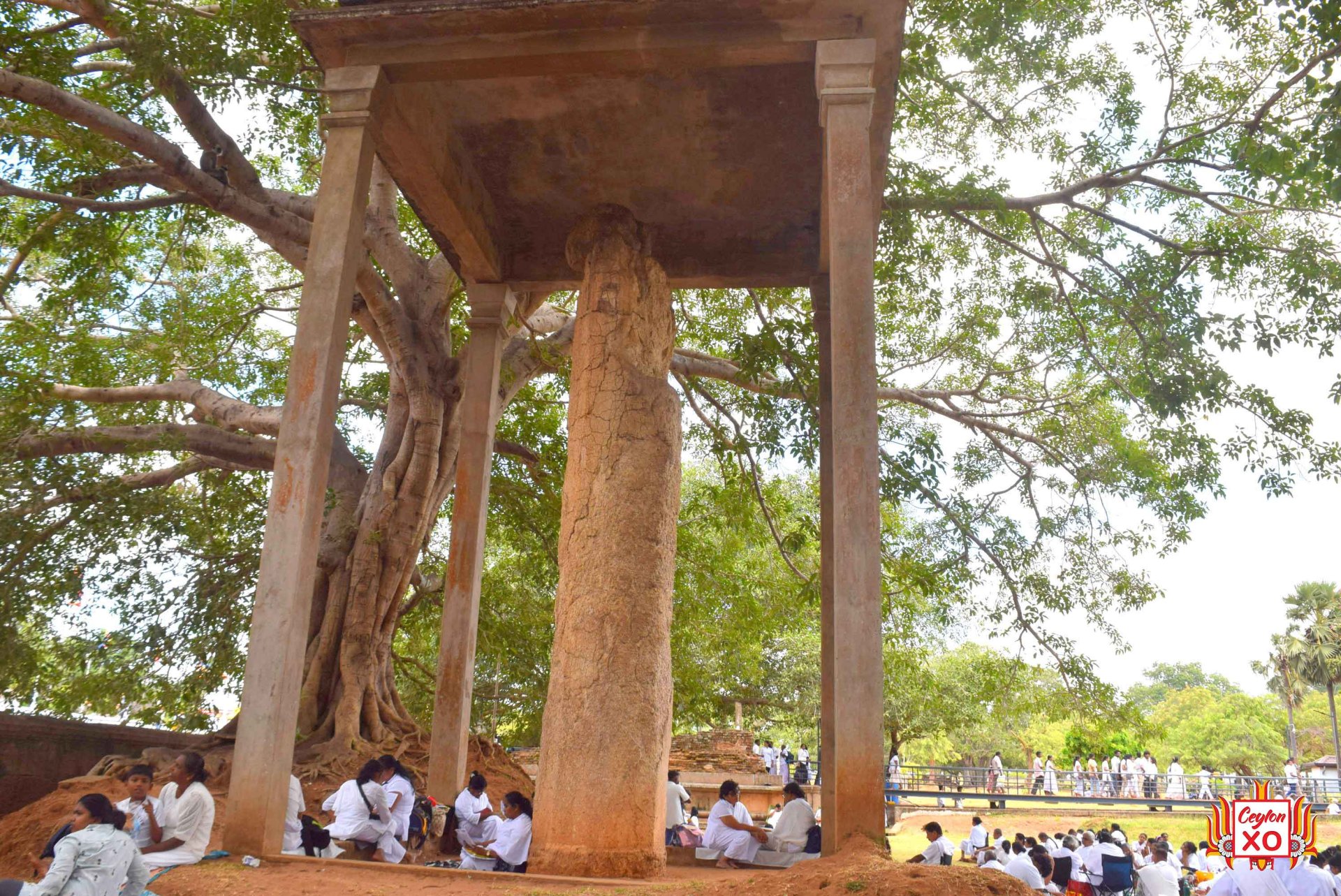
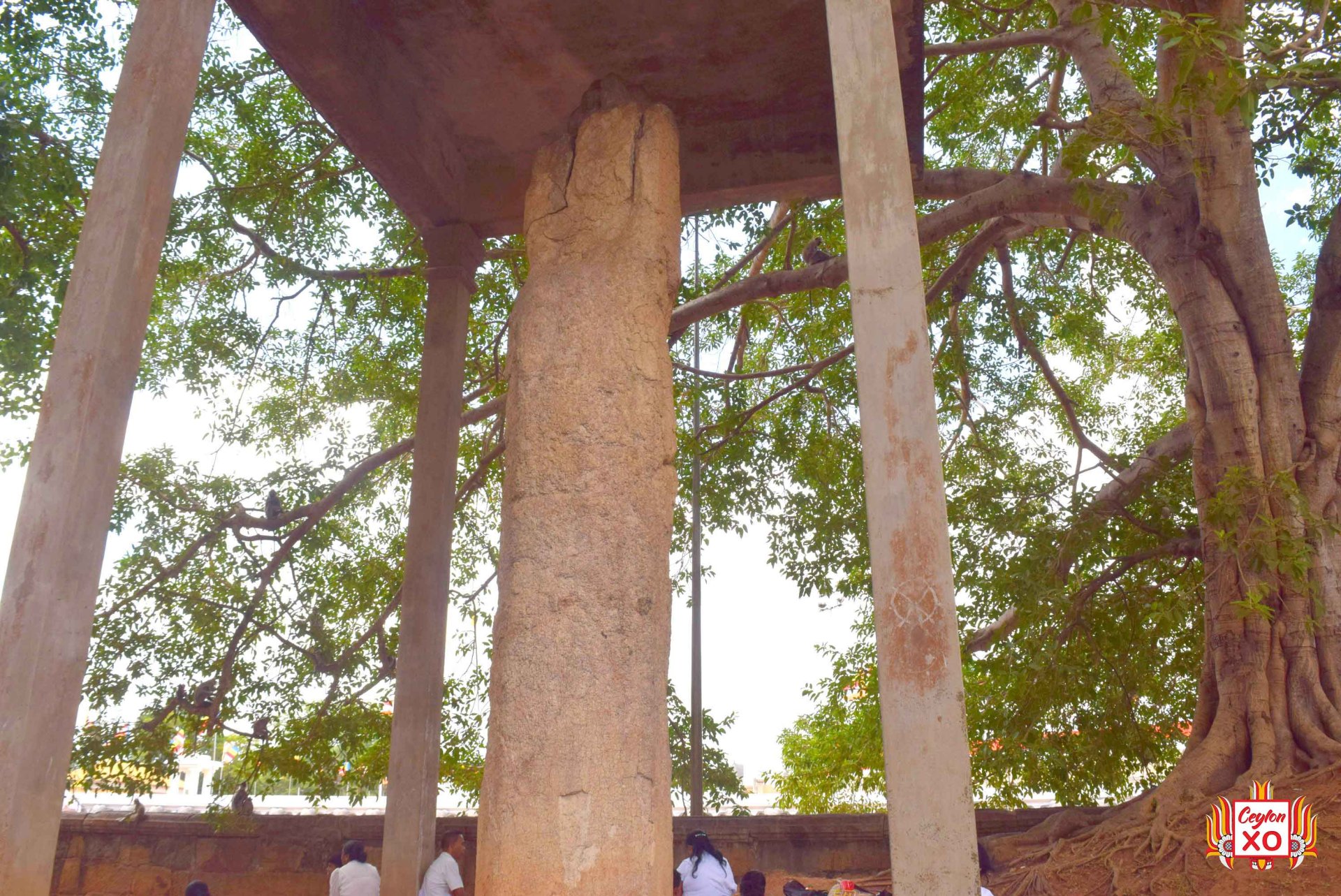
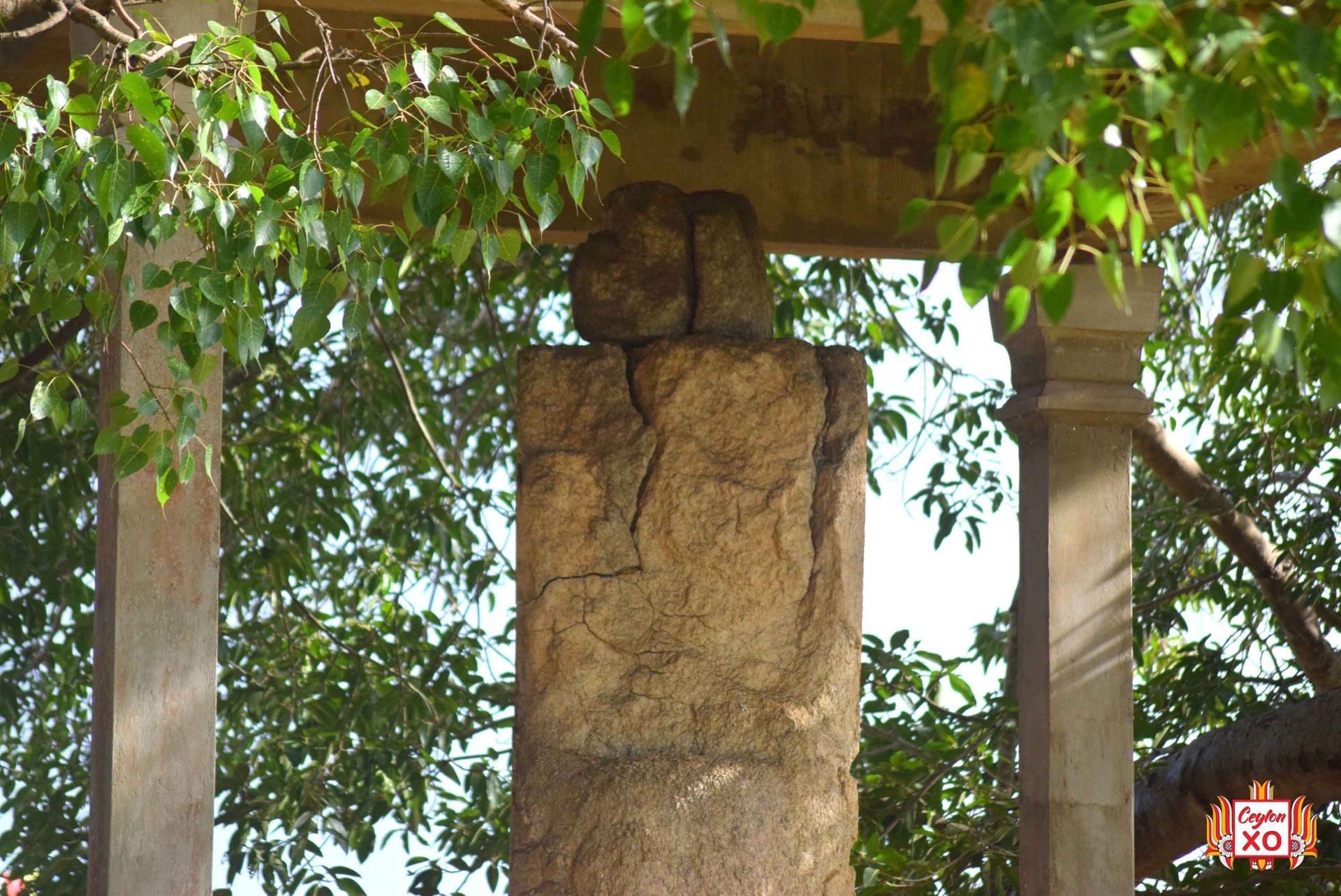
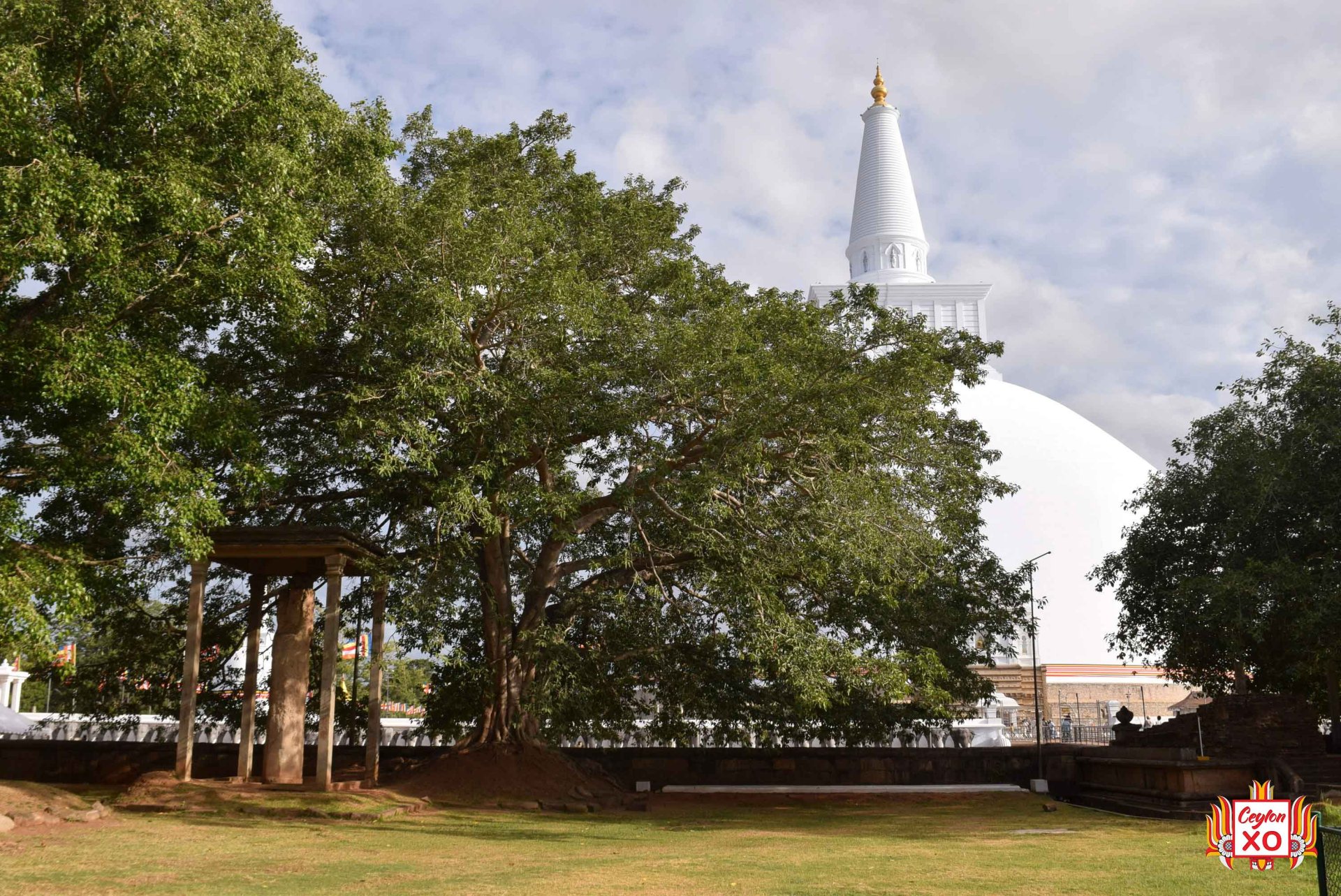
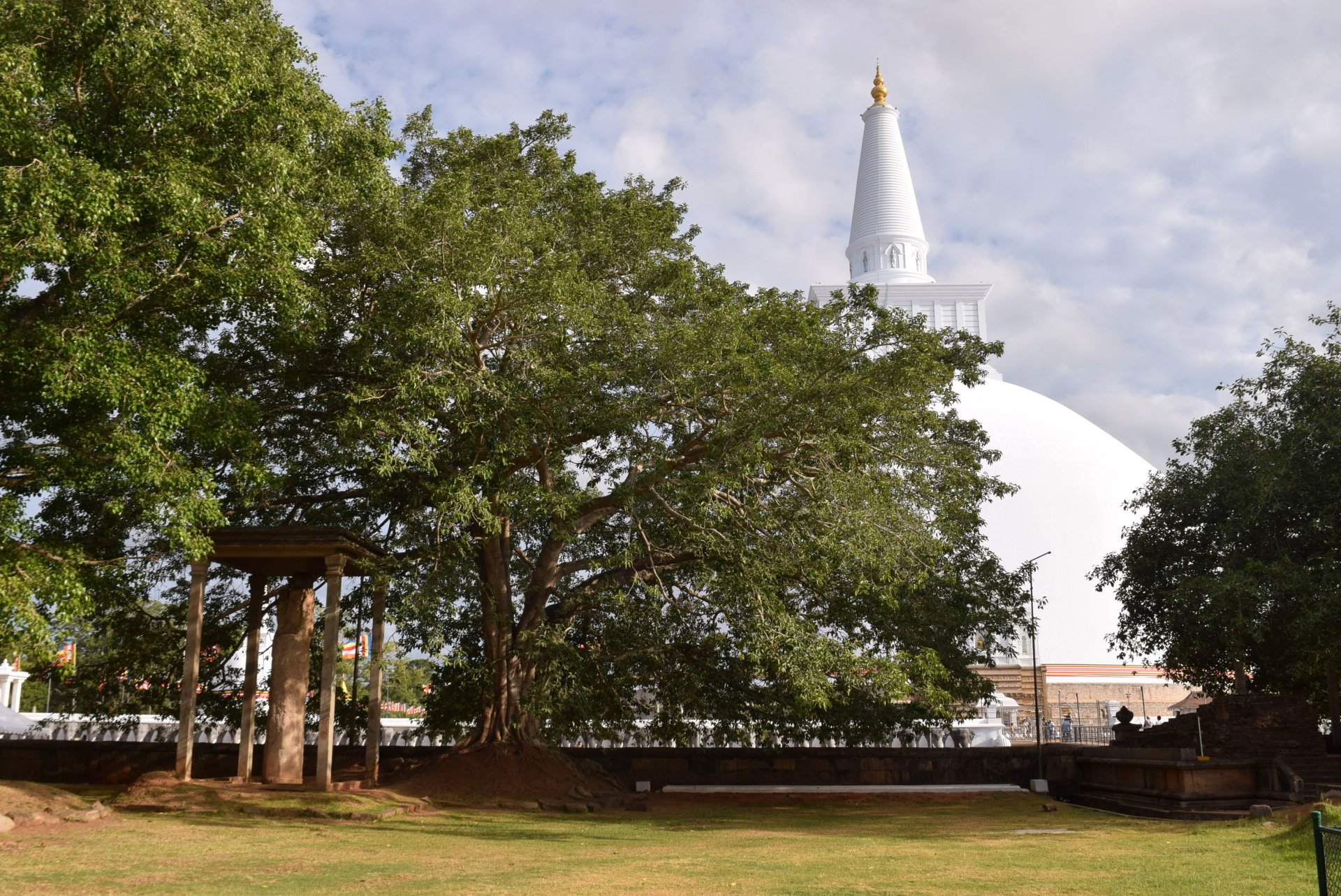
Hearing this prophecy, King Devanampiyatissa was overjoyed. To establish and preserve the location designated for the future stupa, he is said to have placed a large stone pillar at the site. Many people believe that the stone pillar we see today is that very pillar.
However, there is another story surrounding this stone pillar. It is believed that the original pillar installed by King Devanampiyatissa was destroyed over time, possibly due to repeated enemy invasions that affected the Anuradhapura Kingdom. Later, King Kavantissa, having learned about Mahinda Maha Thero's prophecy from the Arahants, is said to have placed another stone pillar at the same location. According to this belief, the stone pillar we see today may actually be the pillar installed by King Kavantissa, rather than the original pillar of Devanampiyatissa.
When we come to the era of King Dutugemunu, another chapter of the story begins. It is said that King Dutugemunu found the stone pillar standing at the location where the Ruwanweli Maha Seya was destined to be built. He removed the pillar from the site and constructed the magnificent Ruwanweli Maha Seya there. The stone pillar was then placed at its present location, where it can still be seen today.
You can see this ancient stone pillar in the garden near the northern entrance of the Ruwanweli Maha Seya.
Although there are no visible inscriptions on the pillar today, archaeologists believe that it may have originally contained inscriptions. Over centuries, exposure to environmental conditions such as sunlight, rain, and wind may have gradually worn away the inscriptions.