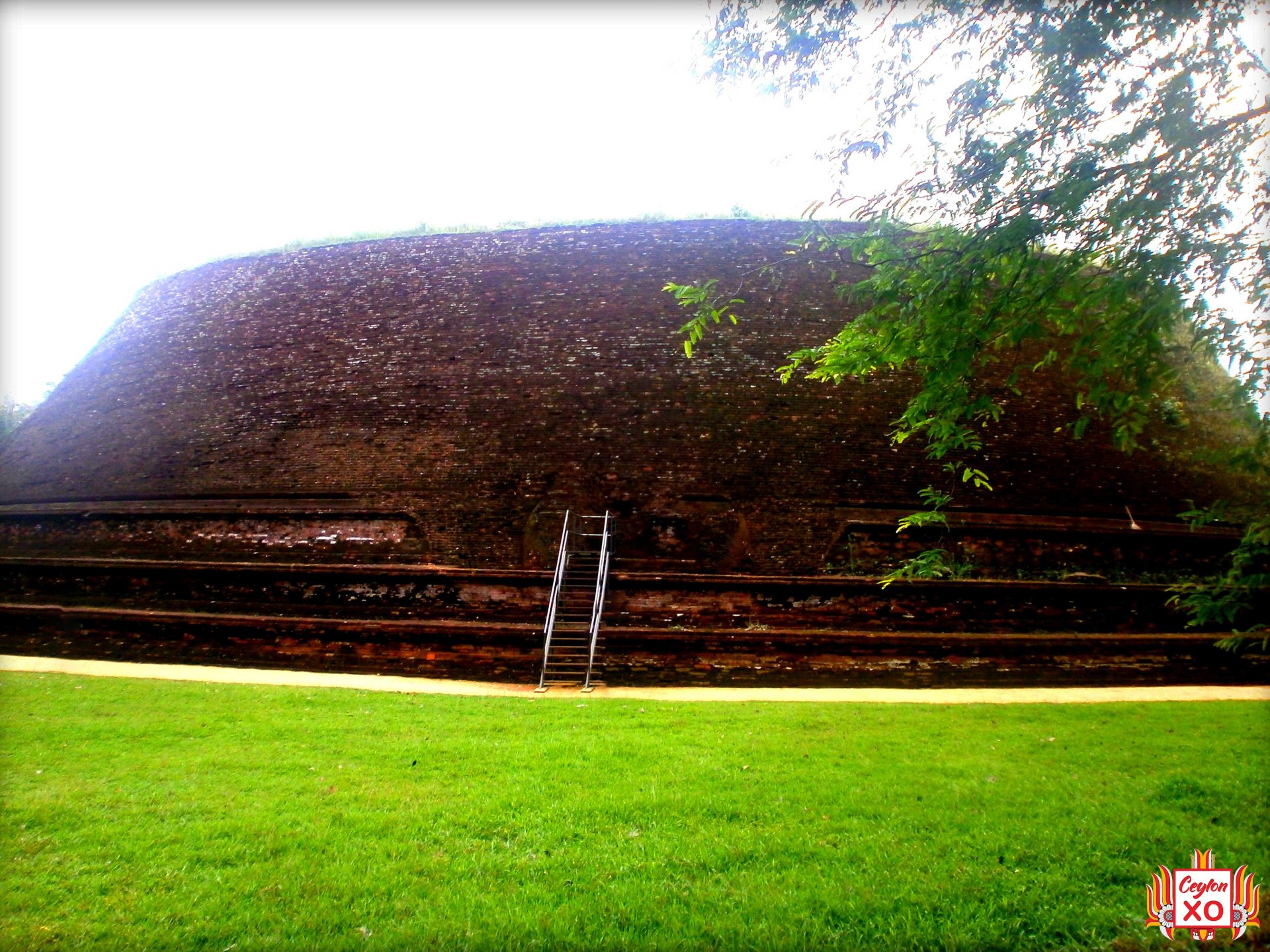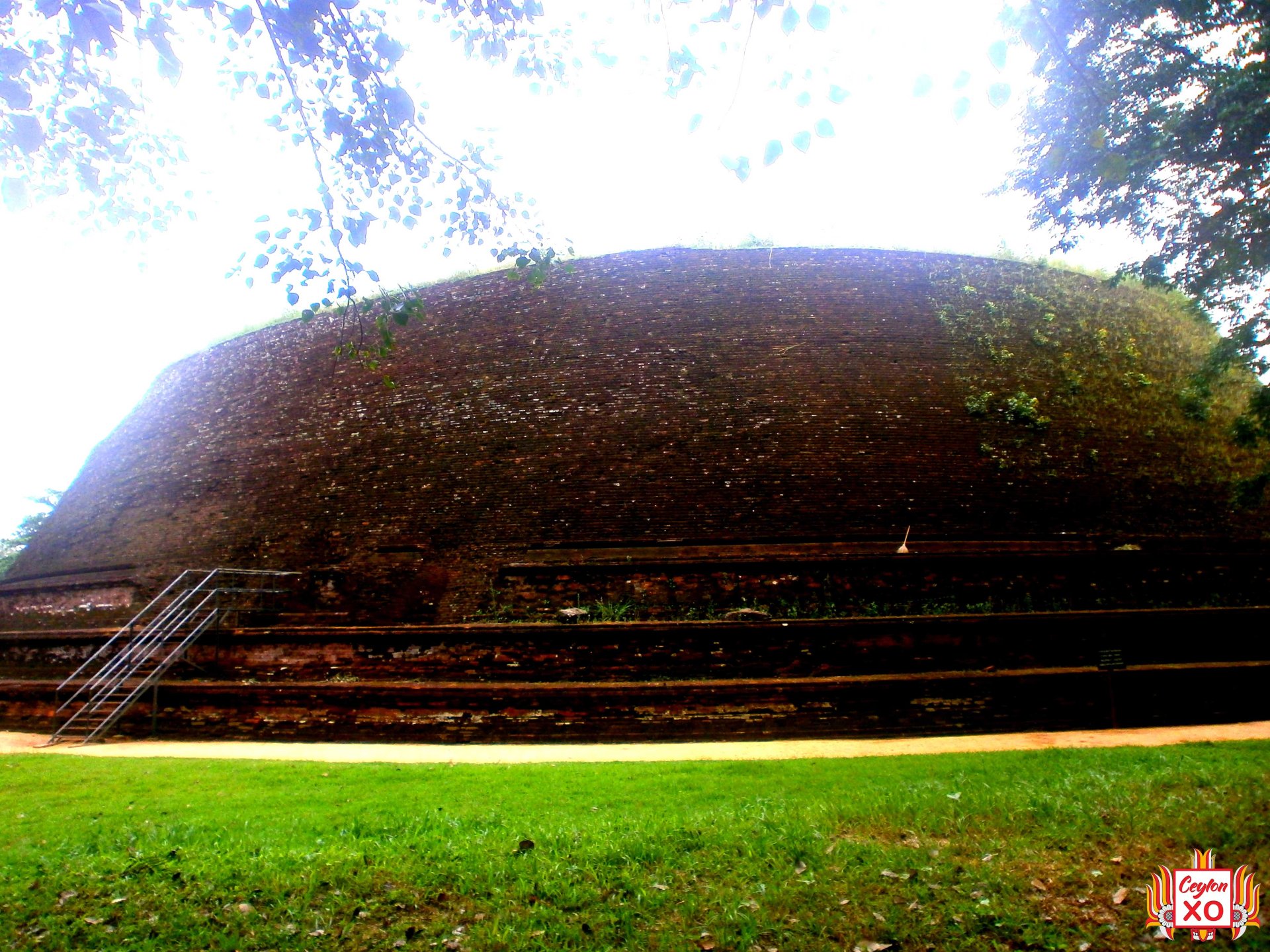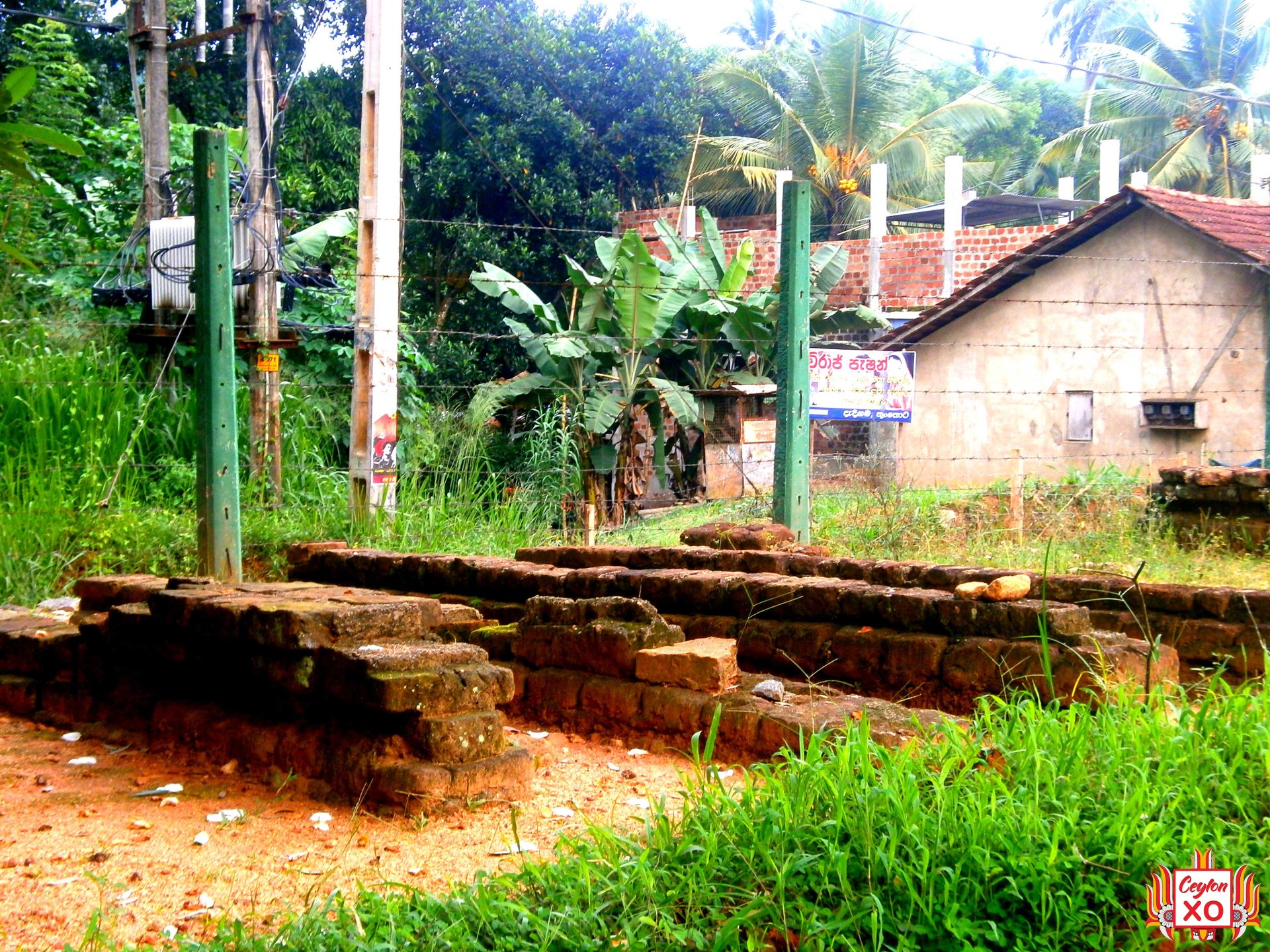
The name "Soothighara" means "the place of birth." According to historical records, the stupa was built by King Parakramabahu I (1153–1186 A.D.) to commemorate the place where he was born. His father, King Manabharana, ruled the region of Dedigama, which was known in ancient times as Punkhagama. After becoming king, Parakramabahu built this magnificent stupa as an expression of gratitude and to honour his birthplace.
Kota Vehera is unique because archaeologists discovered that the large stupa was constructed over a smaller original stupa, which is believed to mark the exact location of King Parakramabahu's birth. This rare architectural feature makes the monument one of the most significant historical sites in Sri Lanka.
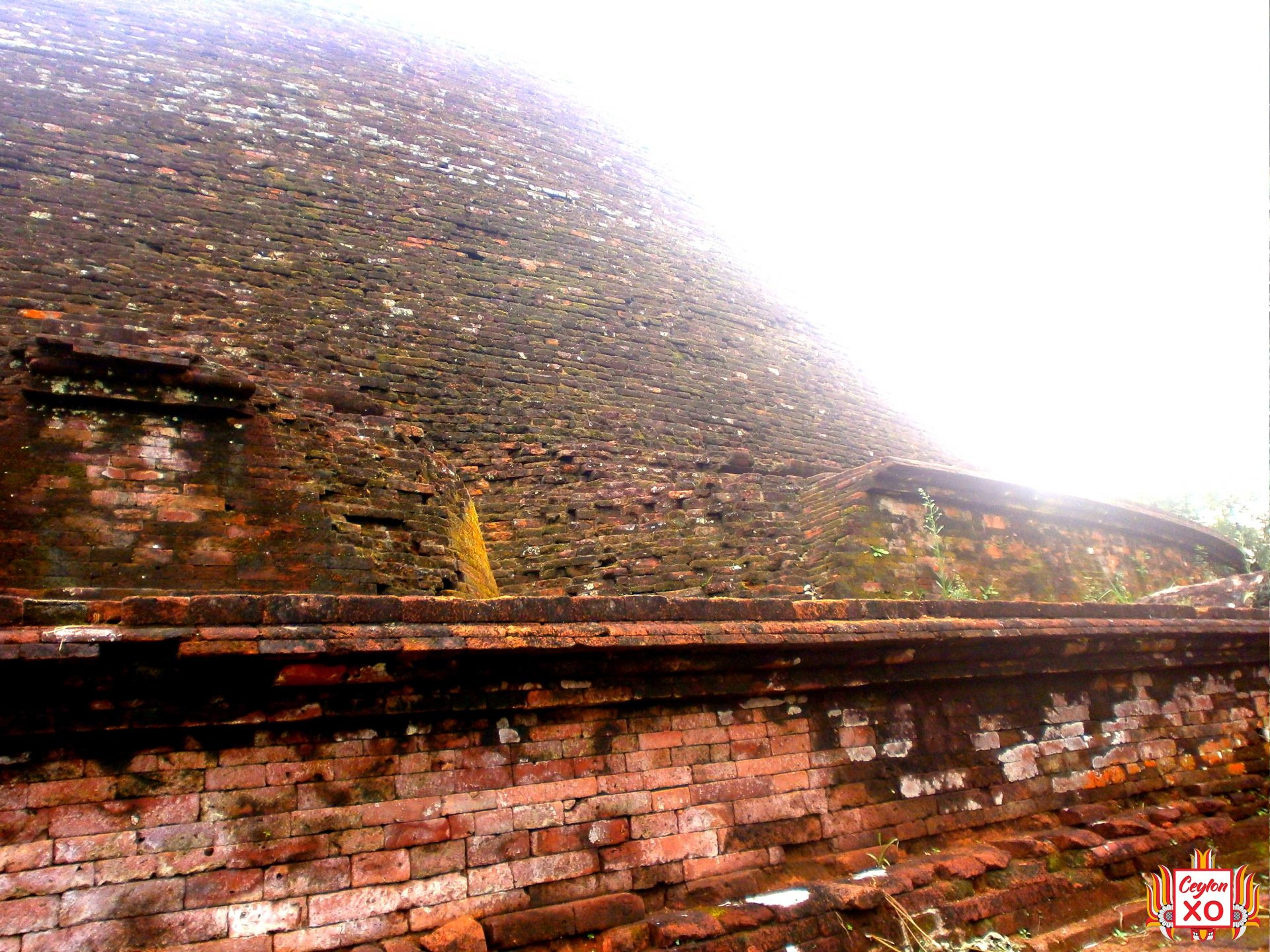
Although the upper portion of the stupa has collapsed over time, the massive circular base still demonstrates the impressive engineering skills of ancient Sri Lankan builders. Historical records mention that the original stupa was about 120 cubits (approximately 180 feet) high, making it one of the tallest stupas of its time.
Excavations carried out in 1951 revealed many valuable treasures inside the relic chambers of the stupa. The most famous discovery was the Eth Pahana (Elephant Lamp), a beautifully crafted bronze oil lamp shaped like an elephant carrying two riders. This unique artifact is considered one of the finest examples of Sri Lankan metal craftsmanship and is now preserved at the National Museum in Colombo. Archaeologists also discovered gold reliquaries, crystal relic caskets, wall paintings, and other ancient artifacts, many of which are displayed at the nearby Dedigama Museum.